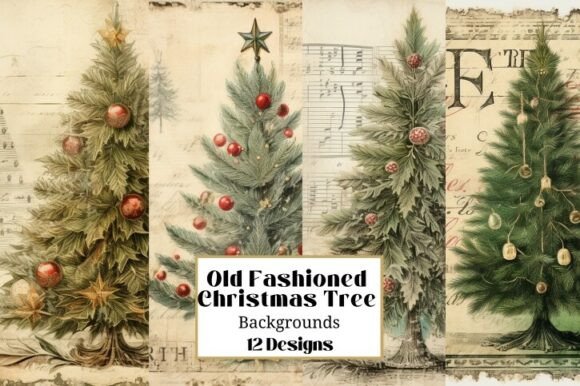
Review: Old Fashioned Christmas Tree Illustratio
As a designer who has spent countless hours digitizing and stitching out holiday motifs, I have developed a keen eye for what works in the hoop and what merely looks good on a screen. When I first pulled up the Old Fashioned Christmas Tree Illustratio, my immediate reaction was one of nostalgic warmth. This is not the slick, hyper-modern vector art that dominates many digital marketplaces today. Instead, it carries the charm of hand-drawn sketches and vintage storybooks, making it a standout choice for creators looking to evoke sentimentality in their holiday embroidery projects.
First Impressions and Visual Personality
The mood this design creates is instantly cozy. The lines are organic rather than rigid, suggesting a tree that might have been drawn with charcoal or ink rather than plotted by a computer algorithm. For an embroidery project, this visual personality is crucial. It tells a story before the needle even hits the fabric. The layout feels balanced, with enough negative space to allow the texture of the fabric to breathe, which is often overlooked in dense, fill-heavy designs.
When evaluating any machine embroidery design, I look for how the details translate to thread. In this case, the illustrative style suggests a mix of stitch types. You can anticipate using running stitch for the finer branches to maintain that sketch-like quality, while satin stitch or light fill stitch areas might be used for ornaments or the tree base. The key here is restraint. Over-digitizing this kind of artwork would kill its charm. Fortunately, the Old Fashioned Christmas Tree Illustratio appears to respect the medium, offering clarity without sacrificing its artistic integrity.
Real-World Application: The Tote Bag Test
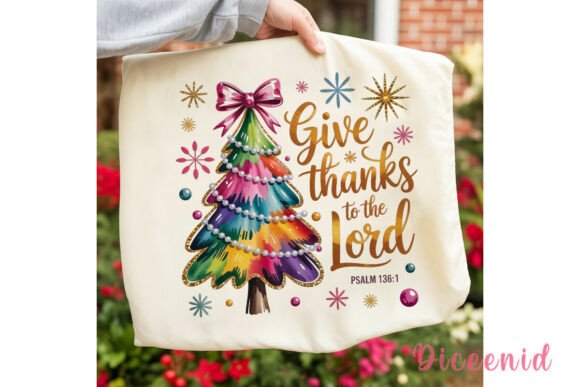
To truly understand the value of a design, I mentally place it on a specific product. Imagine preparing a custom order for a local boutique: a set of heavy canvas tote bag design items for holiday gift wrapping. This is where the Old Fashioned Christmas Tree Illustratio shines. On a natural, unbleached cotton canvas, the rustic aesthetic of the tree pairs perfectly with earthy thread colors like forest green, burnt orange, and cream.
I can visualize the customer’s reaction. They are not just buying a bag; they are buying a feeling of tradition. For an Etsy seller or small shop product creator, this emotional connection drives sales. The design is distinct enough to serve as a brand identifier but universal enough to appeal to a broad audience. It works equally well as a central focal point on a large tote or as a subtle accent on a smaller pouch.
Versatility Across Product Lines
Beyond tote bags, this illustration adapts well to various substrates. For sweatshirt embroidery, the softer lines complement the fuzzy texture of fleece or French terry cloth. Unlike sharp, geometric logos that can get lost in plush fabrics, the illustrative nature of this tree maintains its shape. It also makes an excellent candidate for baby embroidery on onesies or bibs, provided the scale is adjusted appropriately. The whimsical, non-threatening style appeals to parents looking for gentle, classic holiday decor for their little ones.
For those creating embroidered patch products, this design offers great potential. Patches require bold outlines and clear definition to survive the cutting and sealing process. If the embroidery file includes proper underlay and border stitches, this tree could become a bestseller for iron-on applications. It also translates beautifully to home decor, such as pillow covers or kitchen tea towels, adding a touch of handmade elegance to holiday tables.
Technical Considerations and Fabric Choices
While the aesthetic is strong, practical execution requires attention to detail. Because this is an illustrative piece, stitch density is a critical factor. If the digitizer has packed too many stitches into the small branches, you risk thread breaks or fabric puckering, especially on lighter materials. I always advise testing the design on scrap fabric first. Check how the thread colors interact with your chosen background. On dark fabrics, ensure there is sufficient contrast; you may need to adjust the palette to include brighter highlights to keep the details visible.
Be cautious when applying this to stretchy fabrics or curved surfaces like caps. The intricate lines of an illustration can distort if the hoop size and stabilizer are not correctly matched to the garment. For a cap, a cut-away stabilizer is usually necessary to support the structure, whereas a tear-away might suffice for a sturdy tote bag. Always inspect small details after the test stitch-out. If the tiny ornaments or branch tips look muddy, you may need to simplify the design or increase the stitch length for those specific elements.
Enhancing Brand Value and Customer Trust
Using high-quality, thoughtful designs like the Old Fashioned Christmas Tree Illustratio directly impacts your brand perception. Customers can sense the difference between a generic, mass-produced graphic and a curated, artistic element. This distinction builds trust and justifies a higher price point for your handmade product. It signals professionalism and care, which are essential for retaining clients in the competitive world of commercial embroidery.
Furthermore, this design serves as a versatile asset for your marketing. It looks stunning in printable mockup previews, allowing you to showcase potential finished products on your website or social media before you even stitch a single item. This efficiency helps creative entrepreneurs manage inventory and reduce waste.
Final Designer Notes
Before committing to a large production run, take these practical steps. First, confirm the licensing terms. Ensure that the digital embroidery file allows for commercial use if you plan to sell the finished product. Second, review the file formats provided to ensure compatibility with your specific machine software. Finally, consider the context of your craft business. Does this vintage aesthetic align with your existing brand? If so, the Old Fashioned Christmas Tree Illustratio is not just a design; it is a strategic tool for enhancing your holiday collection.
In conclusion, this illustration offers a refreshing departure from the overly polished digital norm. It invites the maker to engage with the material, respecting the texture of the fabric and the limitations of the thread. For designers, sellers, and hobbyists alike, it represents a solid choice for creating meaningful, beautiful holiday items that resonate with customers on a personal level.