Reviewing The Bell Still Rings PNG for Holiday Embroidery
As a designer who has spent countless hours staring at digitized files and watching needles punch through fabric, I have learned that not every pretty image translates into a successful machine embroidery design. When I first pulled up The Bell Still Rings PNG, Christmas Bell, my initial reaction was one of cautious optimism. The visual appeal is undeniable; it captures that nostalgic, quiet magic of the holiday season. But for those of us running a craft business or creating handmade products for clients, aesthetics are only half the battle. The real question is always: how does this actually stitch out?
First Impressions and Visual Mood
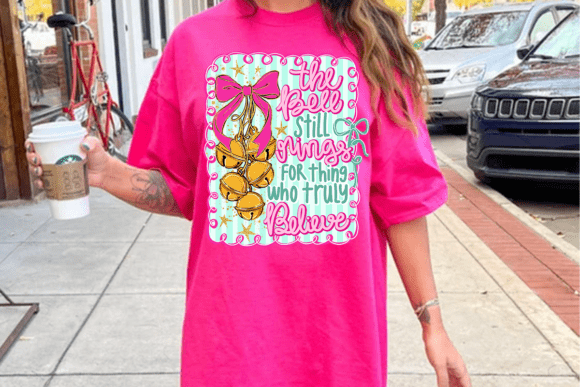
The design falls under the category of Illustrations, which often implies a level of artistic detail that can be tricky to replicate with thread. The Bell Still Rings PNG, Christmas Bell features a classic bell motif, likely accompanied by textual elements or decorative flourishes that evoke tradition. The mood is warm and inviting, perfect for customers looking for something that feels timeless rather than trendy. For an Etsy seller or boutique owner, this kind of emotional resonance is valuable. It suggests quality and thoughtfulness, which are key drivers for personalized gift purchases during the holidays.
However, viewing a PNG on a screen is vastly different from seeing it as an embroidery file on a hoop. My immediate concern with any illustration-style graphic is the transition from pixel to stitch. Does the design rely on subtle gradients that will get lost in thread? Are there tiny details that might break under the tension of the needle? These are the questions I ask before I even think about selling a finished product.
Real-World Application: The Custom Tote Bag Test
To truly evaluate The Bell Still Rings PNG, Christmas Bell, I imagined applying it to a common small shop product: a heavy cotton canvas tote bag. This is a staple item for holiday markets. The texture of canvas is forgiving, but it requires a design with enough substance to stand out against the weave. If this design were converted into a proper digital embroidery file, I would look for a balance of satin stitch for the outlines and fill stitch for the body of the bell. A pure running stitch approach might look too sparse on a tote, while overly dense stitching could cause the fabric to pucker.
In this scenario, the bell serves as a focal point. If the design includes lettering, I would check the kerning carefully. Small text on a textured fabric like canvas can become illegible if the letters are too close together or if the font weight is too thin. For a tote bag design intended for daily use, clarity is paramount. Customers need to read the message from a few feet away. If The Bell Still Rings PNG, Christmas Bell maintains its legibility when scaled down to a 4x4 inch area, it passes the first major test for versatility.
Fabric Considerations and Stitch Density
Not all projects are created equal. While a tote bag is robust, consider baby embroidery on a soft onesie or a sweatshirt embroidery project on fleece. Here, stitch density becomes critical. A design that looks great on denim might feel stiff and uncomfortable on a baby’s skin. If you are planning to use this graphic for custom apparel, you must ensure the digitized version uses appropriate underlay stitches to stabilize the fabric without adding unnecessary bulk.
For stretchy fabrics like jersey knits used in t-shirts, a proper stabilizer is non-negotiable. Without it, even the best-designed bell will distort. I always recommend testing on scrap fabric first. Check how the thread colors interact with the fabric background. A dark green bell on a black sweatshirt will vanish, whereas a metallic gold or bright red thread will pop. This is where the original PNG’s color palette can guide your thread selection, but never assume the digital colors match the physical thread chart exactly.
Challenges with Curved Surfaces and Small Hoops
One area where many illustrative designs fail is on curved surfaces like caps or hats. An embroidered patch featuring The Bell Still Rings PNG, Christmas Bell could be a smart workaround. By stitching the design onto a separate piece of twill or felt and then attaching it to the cap, you avoid the distortion issues inherent in direct-to-garment embroidery on structured hats. This also allows for higher stitch density without worrying about the garment’s shape.
If you attempt to stitch this directly onto a cap, pay attention to the hoop size limitations. Most home machines have a maximum cap hoop size that restricts the design width. Ensure the bell and any accompanying text fit within these constraints. Additionally, watch out for tiny corners or intricate details in the illustration. These areas are prone to thread breaks and bird nests if the digitizing isn’t optimized for high-speed machine movement.
Commercial Viability and Brand Consistency
For commercial embroidery professionals, consistency is key. If you are building a holiday collection, The Bell Still Rings PNG, Christmas Bell needs to align with your brand’s visual identity. Does it complement your other design assets? Is it versatile enough to work on both kitchen towel sets and premium pillow covers? A cohesive look builds customer trust. When buyers see a well-executed, professional-looking holiday embroidery piece, they are more likely to return for future purchases.
Moreover, consider the perceived value. A clean, crisp stitch-out elevates the product. Sloppy edges or loose threads detract from the beauty of the design. Before listing items on your online store, inspect each piece rigorously. Use printable mockup tools to visualize how the design looks in different contexts, but always validate with a physical sample. Photos can hide flaws; touch cannot.
Practical Designer Notes for Success
- Verify Licensing: Before selling any finished product or using this in a client project, confirm the license terms associated with the original PNG or the converted embroidery file. Some licenses allow personal use only, while others permit commercial sales.
- Test on Multiple Fabrics: Do not assume one setting works for all materials. Test on cotton, polyester, and blends to see how the fabric texture affects the final look.
- Check Contrast: Use black and white mockups to ensure the design holds its shape without relying on color differences. This helps identify potential clarity issues.
- Optimize Digitizing: If you are converting the PNG yourself, pay close attention to pathing and jump stitches. Efficient pathing reduces production time and thread waste.
- Consider Applique: For larger versions of the bell, consider an applique design approach. Using fabric pieces for the main shape can reduce stitch count and add interesting texture.
In conclusion, The Bell Still Rings PNG, Christmas Bell offers a strong foundation for festive projects, provided it is handled with technical care. Whether you are an experienced Etsy seller or a hobbyist making gifts for family, taking the time to understand the interaction between the design, the thread, and the fabric will result in a superior embroidery project. The beauty of the holiday season is in the details, and in embroidery, those details are made one stitch at a time.